自己动手实现一个Promise

文章目录
Promise
Promise 是 ES6 中异步编程的一种解决方案,比传统的解决方案——回调函数和事件——更合理和更强大。Promise 是一个对象,提供统一的 API,各种异步操作都可以用同样的方法进行处理。
Promise操作只会处在 3 种状态的一种:未完成态(pending)、完成态(resolved)、失败态(rejected)Promise的状态只会出现从未完成态向完成态或失败态转化Promise的状态一旦转化,将不能被更改
更多 Promise 基础知识请跳转 阮一峰 - Es6 Promise
手动实现一个Promise
这年头,手动实现一个 Promise 已经是面试常规操作,接下来,为了更好理解 Promise,我们就来实现一下;Promise 是有统一规范的,目的是为了让大家自己实现的 promise 更好的实现兼容,所以出现了 Promises/A+规范;
接下来的 promise 都是根据Promises/A+这份规范来实现的
Promise 类
因为是有三种状态,所以先声明三个常量来代表状态
const PENDING = 'pending';
const FULFILLED = 'fulfilled';
const REJECTED = 'rejected';
写出一个 Promise 类
class Promise {
  constructor(executor) {
    // 形参校验
    if (typeof executor !== 'function') throw new TypeError(`Promise resolver ${executor} is not a function`)

    // 初始化
    this.status = PENDING; // 状态
    this.value = null; // 终值
    this.reason = null; // 拒因

    // 执行cb
    executor();
  }
}
然后我们需要为 Promise 的形参executor 增加 resolve 和 reject 两个形参函数;
根据定义,他们是由 JS引擎 提供的,所以我们需要先提前定义好
class Promise {
  constructor(executor) {
    ...
    // 将 resolve 和 reject 中的 this 绑定到 Promise 实例
+   this.resolve = this.resolve.bind(this);
+   this.reject = this.reject.bind(this);

    // 执行cb
+   try {
+     executor(this.resolve, this.reject);
+   } catch (e) { this.reject(e) }
  }

  resolve(val) {
    // 判断当前状态,只有处于等待状态才可以执行
    if (this.status === PENDING) {
      this.status = FULFILLED; // 状态变化
      this.value = val; // 终值赋值
    }
  }

  reject(err) {
    if (this.status === PENDING) {
      this.status = REJECTED;
      this.reason = err;
    }
  }
}- 当
promise实例调用内部函数resolve或者reject时,他们被调用时实际上是一个匿名函数,无法取到函数中this.status的值,所以需要用bind提前绑定; - 当
promise实例的executor内部本身本身抛出异常时,Promise是会将异常一并放入reject函数来处理的,所以增加try{...}catch(e){...}来处理这种情况
初步实现 then
then 接收两个回调函数,onFulfilled是当 promise 实例状态变为 fulfilled 时调用的函数,onRejected 是实例状态变为 rejected 时调用的函数,并且 then 返回的是一个 新的 promise 实例;
这里用 setTimeout 来模拟 Promise 内部的微任务异步
class Promise {
  ...
  then(onFulfilled, onRejected) {
    // 参数校验 onFulfilled, onRejected 为可选形参
    onFulfilled = typeof onFulfilled !== 'function' ? val => val : onFulfilled;
    onRejected = typeof onRejected !== 'function' ? reason => { throw reason } : onRejected;

    if (this.status === FULFILLED) {
      // setTimeout 模拟微任务异步
      setTimeout(() => {
        try { // 重新添加try-catch,settimeout 内为异步,无法被外层constructor中的try-catch捕获
          onFulfilled(this.value); // 以终值作为参数执行 onFulfilled 函数
        } catch (e) { reject(e) }
      })
    }

    if (this.status === REJECTED) {
      // 以拒因作为参数执行 onRejected 函数
      setTimeout(() => {
        try {
          onRejected(this.reason);
        } catch (e) { reject(e) }
      });
    }
  }
}
then 的修改
根据上面的写法,如果我们的 promise 实例的 executor 中,resolve 是一个异步实现的话,那么 then 方法是无法实现原来的效果的
new Promise((resolve, reject) => {
  setTimeout(() => { resolve(1) })
}).then(
  val => console.log(val), // 输出 1
  err => console.log(err)
)
此时我们自己的 promise 实例无法正确输出 1,原因在于,当 executor 中状态改变(resolve / reject)是异步实现时,then 函数是同步被调用的,此时的 promise 的状态还处于 pending 状态,无法调用任何函数;
所以我们需要在 then 中添加对于 pending 状态的处理;采用订阅发布的模式来解决状态的异步改变
class Promise {
  constructor(executor) {
    ...
    // 初始化
    ...
+   this.onFulfilledCbs = []; // 成功回调函数队列
+   this.onRejectedCbs = []; // 失败回调函数队列
    ...
  }

  resolve(val) {
    if (this.status === PENDING) {
      ...
      // 一旦状态改变,遍历函数队列将终值作为形参触发队列中的函数
+     this.onFulfilledCbs.forEach(fn => fn(this.value));
    }
  }

  reject(err) {
    if (this.status === PENDING) {
      ...
+     this.onRejectedCbs.forEach(fn => fn(this.reason));
    }
  }

  then(onFulfilled, onRejected) {
    ...
    // 当状态处于pending时
+   if (this.status === PENDING) {
+     // 向函数队列添加微任务回调函数
+     this.onFulfilledCbs.push(value => {
+       setTimeout(() => {
+         try {
+           onFulfilled(value)
+         } catch (e) { reject(e) }
+       })
+     });
+
+     this.onRejectedCbs.push((reason) => {
+       setTimeout(() => {
+         try {
+           onRejected(reason)
+         } catch (e) { reject(e) }
+       })
+     });
+   }
  }
}
这样当 promise 实例的异步改变状态时,then 方法也能正确的触发
链式调用
之前说了,then 方法会返回一个新的 promise 实例,并且这个实例的值可以随着 then 无限调用而无限传递下去,为了实现这个方法,我们需要在 then 中返回一个新的 promise 实例
then(onFulfilled, onRejected) {
  ...
  // 创建一个新promise实例
+ let promise2 = new Promise((resolve, reject) => {
    // 同步操作(最开始的状态改变为同步)
    if (this.status === FULFILLED) {
      ...
    }

    if (this.status === REJECTED) {
      ...
    }

    if (this.status === PENDING) {
      ...
    }
+ })
+ return promise2
}
那我们如何在新的 promise2 中去调用 resolve 和 reject ?
遇事不决,参考规范
根据Promises/A+规范,我们将onFulfilled(value) 和 onRejected(reason) 的结果定义成 x,并将其和 promise2 传进一个新的函数 resolvePromise 进行处理;
这里我们将这个新的处理函数定义为常函数
// @params
// $pomise2 - 新promise常量
// $x - onFulfilled / onRejected 处理结果
// $resolve - promise2 中的resolve函数
// $reject - promise2 中的reject函数
const RESOLVEPROMISE = function (promise2, x, resolve, reject) { ... }
然后再对 then 方法进行改写
then(onFulfilled, onRejected) {
  ...
  // 返回一个新的实例来实现链式调用
  let promise2 = new Promise((resolve, reject) => {

    if (this.status === FULFILLED) {
      setTimeout(() => {
        try {
          // 以终值作为参数执行 onFulfilled 函数
+         let x = onFulfilled(this.value);
          // 分析执行结果 x 与 promise 的关系
+         RESOLVEPROMISE(promise2, x, resolve, reject);
        } catch (e) { reject(e) }
      })
    }

    if (this.status === REJECTED) {
      setTimeout(() => {
        try {
+         let x = onRejected(this.reason)
+         RESOLVEPROMISE(promise2, x, resolve, reject);
        } catch (e) { reject(e) }
      });
    }

    if (this.status === PENDING) {
      this.onFulfilledCbs.push(value => {
        setTimeout(() => {
          try {
+           let x = onFulfilled(value)
+           RESOLVEPROMISE(promise2, x, resolve, reject);
          } catch (e) { reject(e) }
        })
      });
      this.onRejectedCbs.push((reason) => {
        setTimeout(() => {
          try {
+           let x = onRejected(reason)
+           RESOLVEPROMISE(promise2, x, resolve, reject);
          } catch (e) { reject(e) }
        })
      });
    }
  })
  return promise2
}
实现 resolvePromise 函数
根据规范,resolvePromise 规则大致如下:
promise2和x指向同一对象,抛出一个类型错误x是一个Promise类,则接受它的状态,并对应执行其resolve或者reject函数x是一个函数或者对象x.then是一个函数,调用x.then方法,并且递归结果x.then不是函数,调用resolve
- 以上都不是,调用
resolve
const RESOLVEPROMISE = function (promise2, x, resolve, reject) {

  // x 与 promise2 相等 -> 报错
  if (promise2 == x) {
    return reject(new TypeError('Chaining cycle detected for promise'))
  }

  let called; // 防止多次调用 成功 和 失败

   // x 是否是 promise 类
   if (x instanceof Promise) {
     x.then(value => {
       Promise.resolvePromise(promise2, value, resolve, reject);
     }, err => {
       reject(err)
     })

     // x 是函数或者对象
   } else if (x !== null && typeof x == 'object' || typeof x == 'function') {
    try { // 取 x.then 可能报错

      // 如果 x 有 then 方法
      let then = x.then;

      // 如果 then 是一个函数
      if (typeof then == 'function') {
        // 用 call 调用 then 方法指向 x,防止再次取 x.then 报错
        then.call(x, value => {
          if (called) return;
          called = true;
          Promise.resolvePromise(promise2, value, resolve, reject);
        }, err => {
          if (called) return;
          called = true;
          reject(err)
        })
      // then 不是一个函数
      } else {
        if (called) return;
        called = true;
        resolve(x);
      }
    } catch (e) {
      if (called) return
      called = true
      reject(e)
    }
  } else {
    // x 为基本类型值
    resolve(x);
  }
}
到这里,我们的 Promise 就基本实现了,then 方法以外的方法这里就不一一实现了;
检验
这边可以全局安装一个插件来检验自己实现的 Promise 文件是否符合规范npm install -g promises-aplus-tests
然后在文件最后添加,引用插件的接口来检验
Promise.defer = Promise.deferred = function () {
  let dfd = {};
  dfd.promise = new Promise((resolve, reject) => {
    dfd.resolve = resolve;
    dfd.reject = reject;
  })
  return dfd;
}

module.exports = Promise;最后在终端里输入指令,对该文件进行检验promises-aplus-tests [[你的Promise文件名.js]]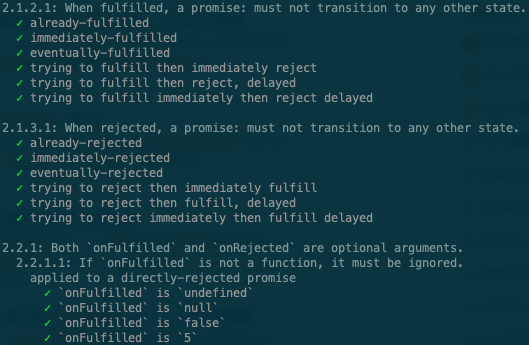
源码
欢迎移步本文源码
最后
最后,一个 符合Promise/A+规范的 Promise 就实现了,希望能帮助大家更清楚的了解 Promise
感谢阅读
欢迎指正、探讨
😀 各位喜欢的看官,欢迎 star 🌟
评论
登录后参与技术讨论,分享你的经验与见解。
登录 / 注册暂无评论